
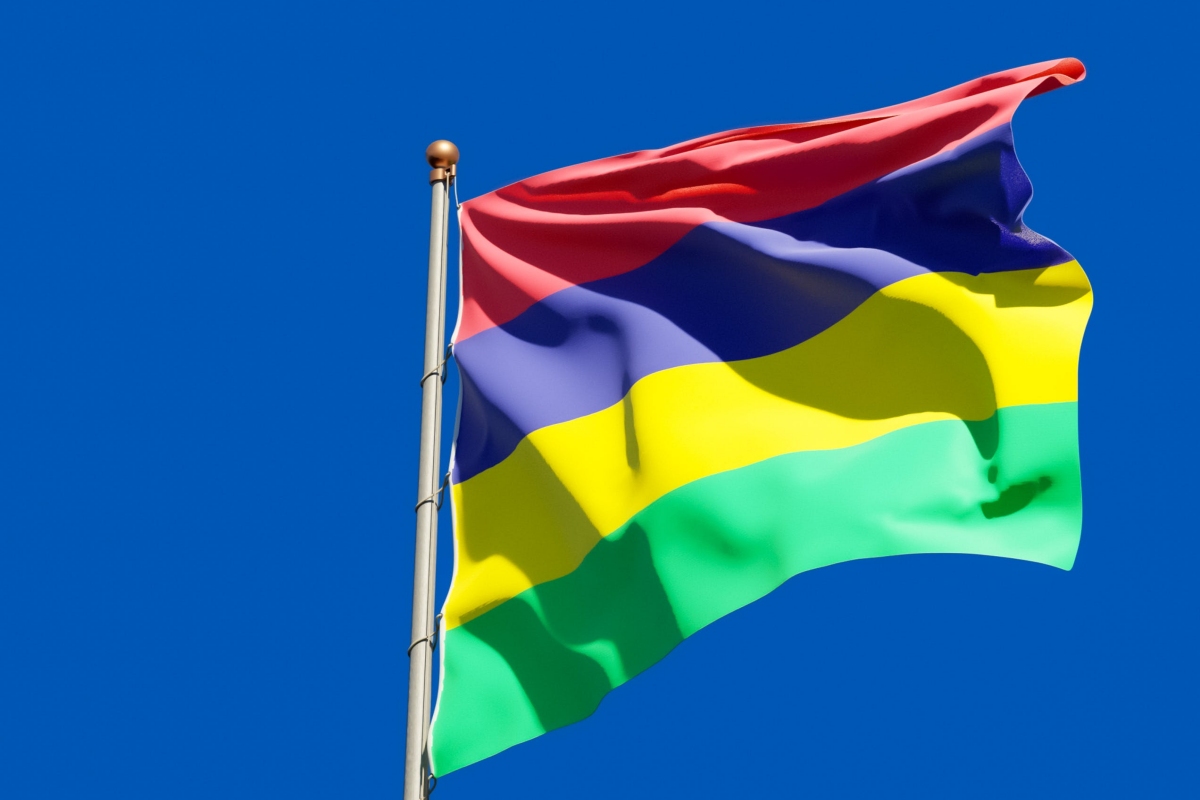
The Supreme Court of Mauritius has overturned a law banning same-sex ‘activity’ between men, following a case supported by the Human Dignity Trust.
The ruling observed that, “The present case concerns the most private and intimate aspects of the identity of homosexual men, namely the manner in which they have sexual intercourse. Accordingly, there must exist particularly serious reasons for the State to justifiably interfere with the manner in which homosexual men choose to have consensual sexual intercourse in private.”
Section 250 of the Mauritian Criminal Code came into force in 1838, with the poorly defined “sodomy” charge carrying a five year sentence.
The island state some 700 miles into the Indian Ocean from Madagascar was by turns a Dutch (1600s), then French (1700s), then British (1800s) colony – the UK having taken it from France in 1810 the law was typical of those passed by the British governments of that time. The island won independence in 1968 shortly after the limited decriminalisation of sex between men in Wales and England in the 1967 Sexual Offences Act.
This leaves 65 nations worldwide that still criminalise same-sex activity under homophobic laws.