
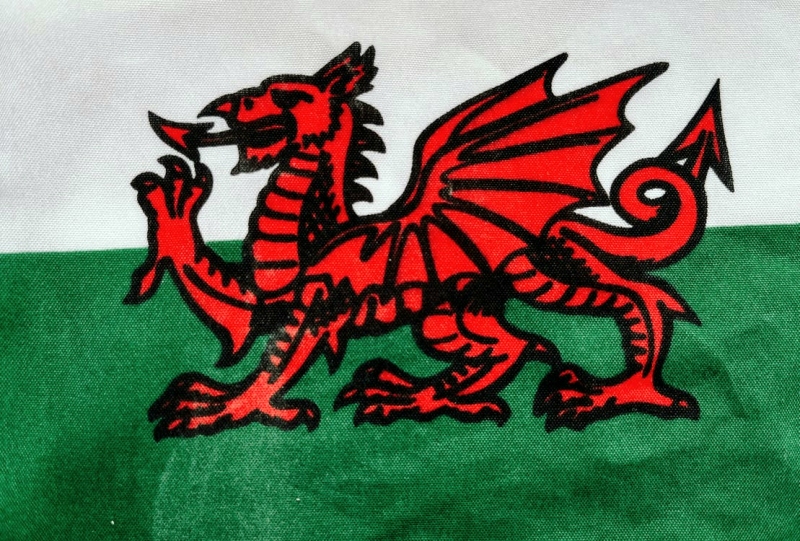
Welsh First Minister Mark Drakeford has joined the chorus of disapproval at the Prime Minister’s flip-flopping on conversion therapy.
This week the proposed ban – promised by Conservative governments for some four years – was unceremoniously dropped, before part of it being picked back up.
With conversion therapy an issue that is devolved in Northern Ireland and Scotland, Holyrood and Stormont can legislate to end it in those parts of the UK despite the pronouncements from Downing Street. There are few Tory MPs in Scotland and none in Northern Ireland, so this poses no problems for the PM.
In Wales there was a bumper crop of seats for the Conservatives in 2019 – but the Senedd lacks the devolved powers that Stormont and Holyrood have on this issue.
First Minister Mark Drakeford tweeted, “The Welsh Government has requested urgent legal advice on the actions we are able to take to ban conversion therapy here in Wales. We will continue to do all we can to protect our LGBTQ+ community and we will seek the devolution of additional powers where necessary.”
Assuming he and the Labour / Plaid Cymru coalition in Cardiff Bay can find a way, it may soon only be children in England whose lives are able to be used so directly as political pawns.
Staying In Power – Whatever The Human Cost
The sleight of hand involved in the double U-turn this week fooled few observers. Simply dropping the “T” would have been too obvious, hence dropping the whole bill and then “compromising” through a pre-planned restoration of just part of it.
It is clear that the Conservative party have noted how scaremongering over trans rights proved a potent electoral tool against the Lib Dems in 2019, costing them both anticipated gains after a strong MEP result earlier in the year and their leader’s seat.
Tory strategists plan to use the same tactics more widely at the next General Election and to deploy friends in the media to tie Labour and Liberal MPs up in knots over trans rights to avoid talking about the economy, health service or other issues where the government knows it is weak.
In the 1980s and 1990s the bizarre idea that the other side “wants to turn your kids gay” had great political mileage, making Section 28 politically totemic for more than a decade. It prevented support and information reaching hundreds of thousands of vulnerable and isolated bi and gay children at that time. The same predator myths are now being deployed about transgender people in order to achieve and retain political power, as part of a wider agenda funded from outside the UK.
Watering down the conversion therapy ban to only cover issues of sexual orientation and not gender identity is seen as a way to quieten some sections of the bi and gay communities, while keeping trans panic potent as an electoral tactic.