
Today, December 1st, is World AIDS Day.
Over 103,800 people are living with HIV in the UK. Globally, about 38 million people have the virus. In the UK at least, thanks to medical advances life expectancy for people with HIV (with early testing and action) is now much the same as for everyone else.
UNAIDS Executive Director Winnie Byanyima says:
World AIDS Day 2020 will be like no other.
COVID-19 is threatening the progress that the world has made in health and development over the past 20 years, including the gains we have made against HIV.
I am proud that over the past year the HIV movement has mobilized to defend our progress, to protect people living with HIV and other vulnerable groups and to push the coronavirus back.
Whether campaigning for multimonth dispensing of HIV treatment, organizing home deliveries of medicines or providing financial assistance, food and shelter to at-risk groups, HIV activists and affected communities have again shown they are the mainstay of the HIV response. I salute you!
It is the strength within communities, inspired by a shared responsibility to each other, that has contributed in great part to our victories over HIV.
Today, we need that strength more than ever to beat the colliding epidemics of HIV and COVID-19.
Friends, in responding to COVID-19, the world cannot make the same mistakes it made in the fight against HIV, when millions in developing countries died waiting for treatment.
Even today, more than 12 million people are still waiting to get on HIV treatment and 1.7 million people became infected with HIV in 2019 because they could not access essential services.
That is why UNAIDS has been a leading advocate for a People’s Vaccine against the coronavirus.
Global problems need global solidarity.
Since the virus was identified in 1984, more than 35 million people have died of HIV or AIDS, making it one of the most destructive pandemics in history.
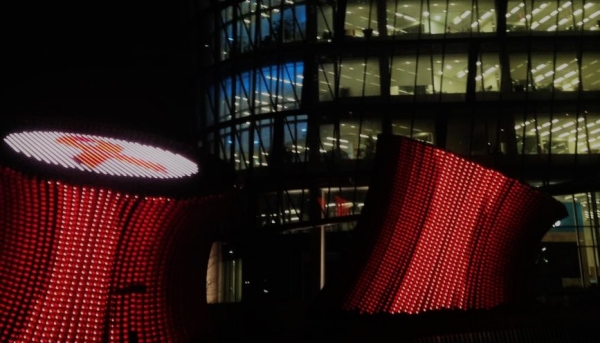
Many people show solidarity with people living with HIV around the world at this time of year by wearing an HIV awareness red ribbon – especially on the day. You can order a red ribbon through the National AIDS Trust’s online shop, or pick one up from selected branches of Morrisons for a suggested donation of £1.
As an emblem the ribbon itself dates back to 1991. At the time, HIV was still much more highly stigmatised, and the suffering of communities living with HIV remained largely hidden. A group of artists in New York devised the ribbon because they wanted to create a visual expression of compassion for people living with HIV. A year later at the Freddie Mercury Tribute Concert in Wembley Stadium on Easter Sunday, 1992, more than 100,000 red ribbons were distributed among the audience, with performers like George Michael wearing them. With that kind of media exposure it rapidly became a simple yet well-known symbol.
You can help by sharing content with the hashtag #RockTheRibbon or using some of the graphics available here.
Further reading:
The international hub site with information about events around the world is here.
Terence Higgins Trust on how you can support their work
Join George House Trust for their online vigil at 7pm tonight